Introducing the Complexities of Style and Manufacturing at a Metal Foundry
The layout and manufacturing processes at a metal foundry entail a collection of intricate actions. Each stage, from picking raw materials to melting and spreading, plays a crucial duty in the final item. Metal Casting. Accuracy and quality assurance are extremely important in this industry. As technology developments, brand-new developments are emerging. These advancements might redefine conventional techniques. What implications do these adjustments hold for the future of metal factories?
The Melting Process: Turning Raw Materials Into Fluid Metal
The melting procedure works as the essential initial step in changing resources right into liquid metal, a treatment crucial for foundry operations. This stage begins with the mindful option of steels, which might consist of copper, light weight aluminum, or iron, relying on the preferred last item. Each material is assessed for pureness and composition to ensure perfect melting conditions.
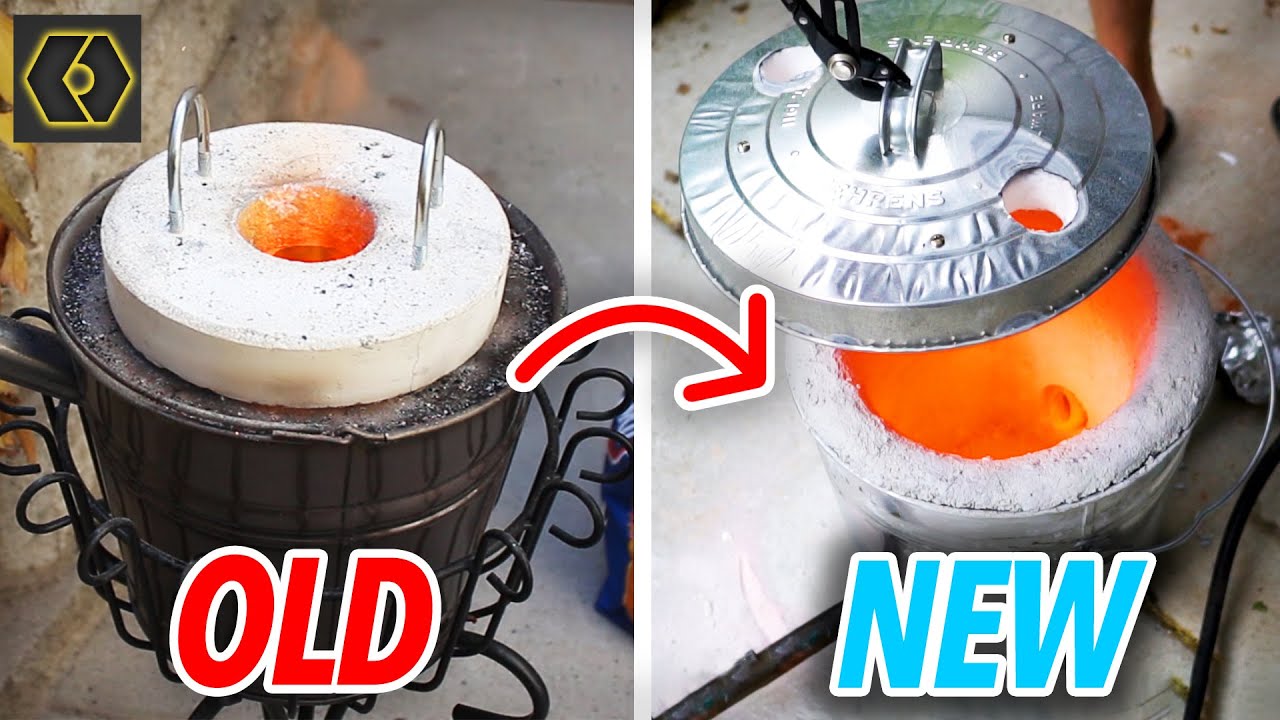
As the metals reach their melting point, they transform from strong to fluid, enabling further refinement. This procedure can additionally consist of the removal of contaminations through slag formation, assuring the high quality of the fluid steel. Ultimately, the effective completion of the melting process lays the structure for succeeding metalworking procedures.
Molding Techniques: Forming Metal With Precision
Adhering to the melting procedure, the next phase in steel foundry operations entails molding strategies that shape the fluid steel right into preferred forms. Various techniques are used, each chosen based upon the specific requirements of the project. Sand casting, among one of the most common methods, makes use of a mix of sand and binder to create molds that can be easily shaped and recycled. One more method, investment spreading, entails producing a wax pattern that is coated in a ceramic shell, permitting detailed designs and high precision.
Pass away casting, on the other hand, makes use of high-pressure to inject molten metal right into steel mold and mildews, leading to consistent and durable products. Additionally, the option of molding technique impacts the cooling rate, surface coating, and dimensional precision of the last product. Understanding these methods is vital for maximizing style and ensuring the effective manufacturing of steel parts tailored to specific applications.
Casting Techniques: From Prototype to Manufacturing
Numerous spreading approaches are employed in steel shops to move from prototype growth to major production. Amongst these methods, sand casting stands apart for its versatility and cost-effectiveness, making it suitable for both big and small production runs. Investment casting, recognized for its precision, is typically made use of for intricate geometries, permitting great details in the final item. Pass away casting, appropriate for high-volume manufacturing, makes use of molten steel infused right into mold and mildews, giving exceptional surface area finish and dimensional accuracy.
High Quality Control: Ensuring Excellence in Every Pour
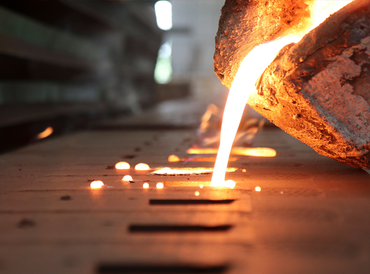
While the casting process can differ greatly in between techniques, keeping strenuous quality assurance is important to ascertain that every pour meets the called for criteria. Quality control in a metal foundry includes a series of organized checks and assessments created to identify problems early in the manufacturing process. This consists of careful inspections of resources, monitoring of melting temperature levels, and assessments of mold integrity.
Foundry employees use different testing strategies, such as non-destructive testing and dimensional confirmation, to determine that castings accomplish desired requirements. In addition, adherence to established sector criteria and certifications improves the dependability of the end product.
Comments loops are additionally critical; any inconsistencies kept in mind throughout top quality analyses are assessed to fine-tune processes and alleviate future mistakes. Ultimately, a society of quality control fosters not just client complete satisfaction yet likewise an online reputation for excellence in the affordable landscape of steel production.
Technologies and Technologies: The Future of Metal Foundries
The landscape of metal foundries is quickly developing, driven by advancements in technology and ingenious techniques. Automation and robotics are changing conventional process, improving efficiency and precision throughout production. Automated putting systems and robotic arms lower human mistake, bring about better outcomes. In addition, the integration of expert system is enabling anticipating maintenance, optimizing devices efficiency, and decreasing downtime.
Additive production is becoming a game-changer, permitting rapid prototyping and the production of complicated geometries that were previously unattainable. This technology promotes the customization of metal components, dealing with specific client requirements without considerable dead time.
Sustainability is also a vital focus, with shops adopting greener methods, such as reusing scrap steel and using energy-efficient heaters. These developments not just improve performance but likewise straighten with worldwide initiatives in the direction of eco accountable production, making go right here sure the future of metal foundries stays robust and affordable in a changing commercial landscape.
Frequently Asked Questions
What Sorts of Metals Are Frequently Used in Factories?
Typical steels made use of in shops consist of aluminum, cast iron, steel, brass, and bronze (Metal Casting). Each metal possesses unique properties, making them appropriate for numerous applications in markets such as automotive, aerospace, and construction, among others
Just How Do Foundries Handle Waste and Environmental Influence?
Foundries handle waste and ecological effect by carrying out recycling programs, using sophisticated purification systems, and adhering to rigorous regulative standards. They frequently invest in lasting innovations to minimize exhausts and advertise accountable resource usage throughout their operations.
What Precaution Remain In Area for Workers?
Foundries apply different security procedures for workers, including personal protective devices, appropriate ventilation systems, regular safety and security training, emergency situation feedback protocols, and rigid adherence to work-related wellness laws to reduce dangers related to harmful products and tools.
How much time Does the Whole Production Refine Commonly Take?
The whole manufacturing procedure usually takes numerous weeks, depending on the intricacy of the layout and the products utilized. Aspects such as mold and mildew preparation, melting, and cooling time considerably influence the overall period of production.
What Are the Main Tests Encountered by Metal Foundries Today?
Metal shops today deal with challenges such as increasing material costs, varying demand, environmental guidelines, competent labor scarcities, and keeping quality control. These issues make complex production performance and earnings in a significantly competitive market.
The design and production processes at a metal foundry involve a series of intricate actions. The melting procedure serves as the critical initial action in transforming raw materials right into fluid metal, a treatment essential for foundry procedures. Adhering to the melting process, the next stage in steel foundry operations entails molding methods that form the fluid steel right into preferred types. Numerous spreading methods are employed in steel shops to have a peek at this site move from model advancement to major production. Quality control in a metal foundry includes a series of systematic checks and analyses made to recognize flaws early in the manufacturing procedure.